Overview
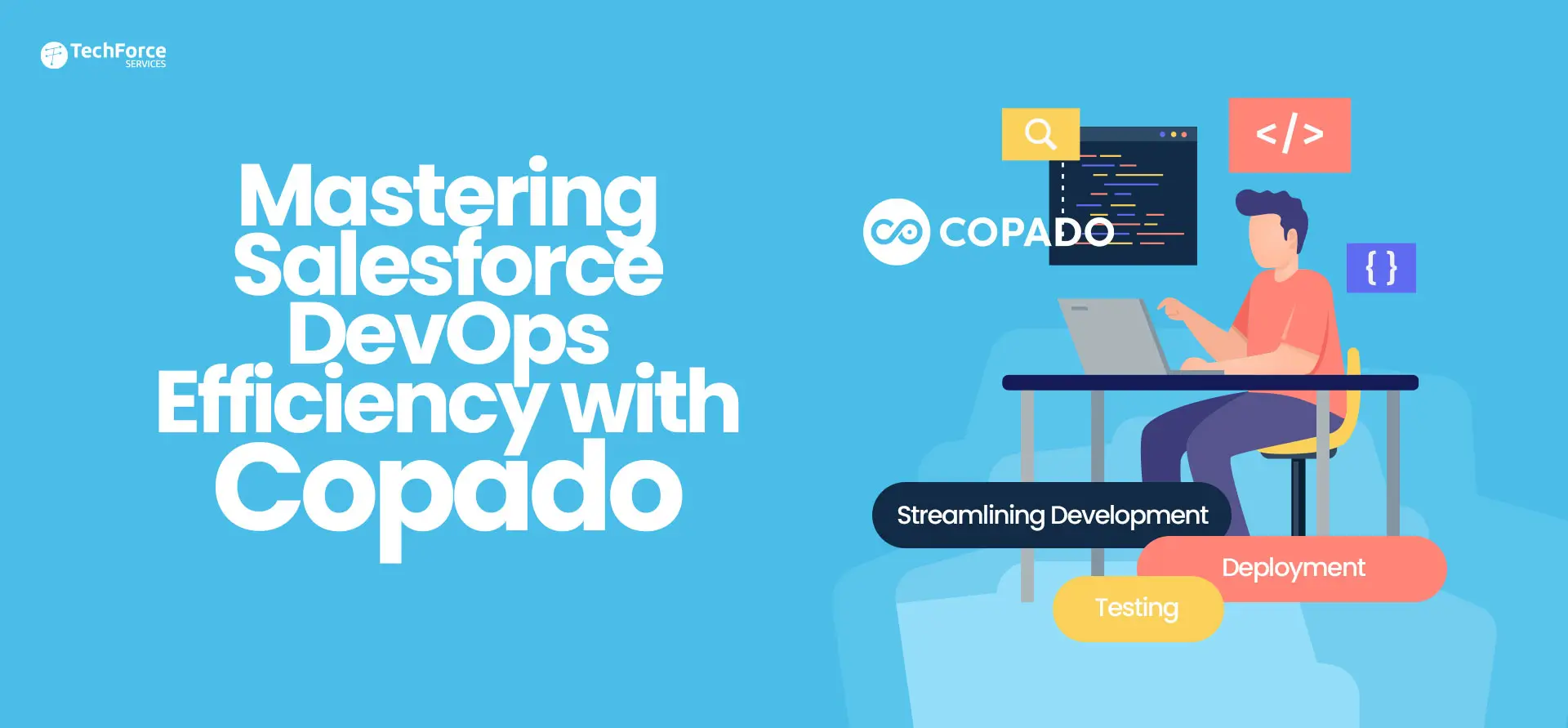
- What Copado Is: A 100% native platform that streamlines Salesforce DevOps with Copado by automating CI/CD pipelines, testing, and release management.
- Core Capabilities: Simplifies release workflows using visual pipeline tracking, low-code Git branch management, and AI-driven automated testing.
- Key Advantages: Deploys complex CPQ and OmniStudio configuration data alongside standard metadata to minimise deployment errors and production bugs.
- Main Trade-Offs: Delivers high value and enterprise-grade compliance, though it involves a steeper learning curve and higher licensing costs for smaller teams.
Quick Answer: Salesforce DevOps with Copado means using Copado’s native Salesforce platform to automate testing, manage releases, and keep sandboxes in sync — replacing manual deployment methods like Change Sets, which often cause missing metadata, overwritten code, and failed releases.
Salesforce and DevOps go together well. When a team brings DevOps habits into their Salesforce work, they move faster, ship cleaner code, and stop breaking things for their users.
But many teams struggle to find a deployment tool that works smoothly. Moving changes between sandboxes by hand often ends in missing metadata, overwritten code, and last-minute failures. That’s exactly the gap that Salesforce DevOps with Copado is built to close — a platform built right inside Salesforce that automates testing, manages releases, and keeps every environment in sync, without the usual headaches.
What Is DevOps, Really?
DevOps is just a way of working in which developers (the people building the software) and operations teams (the people keeping systems running) work together as one unit, rather than two separate camps. Rather than building something in isolation and tossing it over the fence into production, DevOps leans on constant teamwork, automated testing, and small, frequent updates.
A few things that define good DevOps:
- Real teamwork. Developers and admins talk constantly instead of working in silos.
- CI/CD. Code gets merged and tested automatically the moment it’s ready.
- Automated testing. Bugs get caught before they reach a live user.
- Live monitoring. Someone is always watching system health.
- Security built in. Checks happen at every stage, not just the end.
- Constant learning. Every release feeds feedback into the next one.
What Does That Mean for Salesforce?
Salesforce DevOps is simply this same approach applied to your Salesforce org. It gives admins and developers a structured, repeatable way to build, test, and release changes — everything from a new custom field to a Flow to a chunk of Apex code — without breaking anything for the people using the system live.
If your team is early in this journey, it often starts with a proper Health Check Services to understand what’s actually in your org before you try to systematise how you release changes to it.
Salesforce DevOps Center vs. Copado — What's the Actual Difference?
These two get mixed up a lot, but they’re built for different-sized teams. Salesforce DevOps Center is a free, basic tool from Salesforce itself — a solid way for small teams to move on from legacy Change Sets with simple Git tracking. Salesforce’s own documentation walks through the setup.
Copado, on the other hand, is a full enterprise-grade platform installed directly into Salesforce as a managed package, bringing low-code release pipelines, AI-driven testing, and real governance for complex, multi-org setups. This is where Salesforce DevOps with Copado really separates itself from Salesforce’s own free tooling — it’s built for scale, not just for getting off Change Sets.
So what exactly is Copado?
Copado is basically an all-in-one release management tool built for enterprise Salesforce teams. Because it lives natively inside Salesforce, your team isn’t stuck learning a totally separate piece of software.
It manages the whole delivery pipeline — from the very first work request, through automated testing, all the way to deploying the finished change into production.
Feature | Legacy Change Sets | Salesforce DevOps Center | Copado DevOps |
Best For | Very small, basic setups | Small teams leaving Change Sets | Enterprise, multi-org setups |
Version Control | None | Basic GitHub/Bitbucket | Full Git (GitHub, GitLab, Bitbucket, Azure) |
Automated Testing | Manual only | Limited/manual | AI-driven and robotic testing |
Data & Config Support | Metadata only | Metadata only | Metadata + CPQ & OmniStudio data |
Undoing Changes | Manual fix | No native option | 1-click rollbacks |
Compliance & Audits | Basic system logs | Basic logs | Enterprise-grade SOX and compliance logs |
Getting Salesforce DevOps with Copado Running: The Short Version
Setting Copado up with your Salesforce orgs generally comes down to six steps: install the package from the AppExchange into your main hub org; connect your sandboxes, testing environments, and production securely through standard OAuth; map out your delivery pathway (e.g., Developer Sandbox → Integration Org → UAT → Production); link your Git repository so your code history stays organised; set quality rules — code scans, required test runs — that changes must pass before moving forward; and track everything on a dashboard, so you always know what’s waiting for approval, what’s being tested, and what’s ready to ship.
The Tools Inside Copado

Copado isn’t one single feature — it’s a set of tools covering different parts of the release cycle. Pipeline Manager gives you a visual map of your release process, so you can spot delays before they cause problems. Branch Manager handles the trickier Git operations behind the scenes, so admins who don’t code can still merge changes safely. The Environment Management Tool keeps every sandbox organised and in sync. AI & Robotic Testing runs full user journeys automatically and even updates its own test scripts when the UI changes. Compliance Hub scans every metadata change for security risks before it reaches production. And Copado Mobile lets release managers approve deployments from their phone.
The Good and the Not-So-Good
What works well: Copado is 100% native to Salesforce, so there’s no separate tool to learn. It handles complicated relational data — like Salesforce CPQ or OmniStudio rules — that plain Change Sets can’t move. Its automated testing and conflict resolution catch bugs early, and it makes powerful Git tooling accessible to admins, not just developers.
Where it falls short: Copado does a lot, which means a real learning curve and dedicated training time. It’s also a premium enterprise tool, so the price tag can be tough for smaller teams. And if you’re running one sandbox with a minor update once a month, it’s probably more than you need.
Copado also plays well with the tools most teams already use — version control platforms like GitHub, Bitbucket, GitLab, and Azure DevOps; project trackers like Jira and ServiceNow; CI/CD engines like Jenkins; and team chat tools like Slack and Microsoft Teams.
Conclusion
Salesforce DevOps with Copado brings real structure, speed, and safety to how enterprise teams release changes. Swapping manual deployment steps for automated testing, clear pipeline visibility, and native Git integration means less time firefighting broken releases and more time shipping things that matter.
If your org relies on multiple systems talking to each other, pairing a DevOps setup with solid integration services makes releases safer end-to-end. Planning a bigger move, like a Classic-to-Lightning migration? It’s worth looping in a team offering migration services alongside your release process. For ongoing support rather than a one-time setup, managed services can keep your pipeline healthy long after rollout. And if you’re still deciding between Copado and DevOps Center, TechForce’s DevOps services team can help you figure out what fits your org’s size and complexity, using Copado itself as the platform of choice.
FAQ
Is Copado the same as Salesforce DevOps Center?
No. DevOps Center is a free, basic tool built by Salesforce for small teams moving away from Change Sets. Copado is a paid, enterprise-grade platform with AI-driven testing, full Git support, and compliance features built for larger, more complex orgs.
Do I need to know how to code to use Copado?
Not really. Copado is built to be low-code friendly, so admins can manage Git-based releases through a visual interface. Developers can still work directly with the underlying code when needed.
How long does it take to set up Salesforce DevOps with Copado?
It depends on org complexity, but the core setup — installing the package, connecting orgs, and mapping a delivery pathway — is typically a matter of days, not weeks, for a single-pipeline setup.
Is Copado worth it for a small Salesforce team?
It can be overkill for teams with a single sandbox and infrequent releases. Copado is best suited to teams managing multiple orgs, frequent deployments, or complex data like CPQ and OmniStudio.