
Multi-Cloud Salesforce Implementation Built for Adoption
Fragmented data across regional teams slows sales, service, and marketing and hides the full customer picture. A structured Salesforce rollout replaces those silos with a single connected system — records migrated safely, technical complexity absorbed, and the usual blockers cleared through a delivery model. The result is a scalable platform that lifts efficiency and lead conversion for organizations operating in more than one market.
Ready to align your multi-region Salesforce program with measurable outcomes?
Consult with a Salesforce implementation expert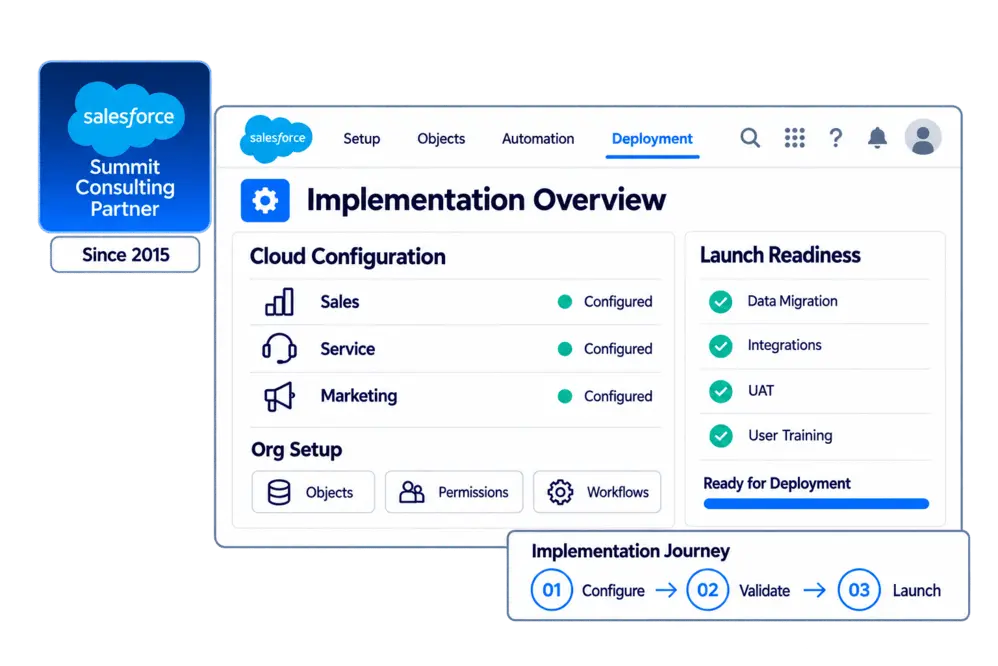
11+
Years of delivery experience
4.9/5
AgentExchange rating
600+
Salesforce certifications
500+
Projects delivered
From a single cloud to a multi-cloud program, Salesforce Implementation Services cover the full Salesforce product ecosystem, so the platform fits each department and industry rather than one team or one country.
01
Sales Cloud and Service Cloud implementation lift productivity, move more leads to close, and build loyalty through AI-assisted workflows.
02
Marketing Cloud and Account Engagement (Pardot) implementations deepen audience relationships, while a self-service Agentforce Portal extends digital reach to partners and customers in every region.
03
Purpose-built Financial Services, Health, Education, and Government Clouds bring sector-specific models, and Data 360 (Data Cloud) with Agentforce 360 unifies every record into one global view.
04
Delivery spans financial services, healthcare, education, government, manufacturing, retail, and technology, each with its own compliance and integration demands — see the case studies for sector examples.
05
Salesforce Revenue Cloud implementation unifies sales quoting and financial billing on one native platform, replacing fragmented quote-to-cash handoffs, while built-in Agentforce agents preview invoices, resolve billing disputes, and execute renewals autonomously.
Choosing a Salesforce implementation services provider comes down to proof — certifications, a delivery record, and how well teams keep using the platform once the project ends.
Summit Partner status and 600+ certifications put a certified Salesforce implementation specialist on every part of the Salesforce ecosystem, from Agentforce to Data 360.
A 4.9 rating on AppExchange reflects consistent delivery quality, secure data handling, and responsive support across time zones.
More than 11 years of delivery and 500+ completed projects span regulated and high-growth industries.
Salesforce implementation consulting maps complex processes to the right platform capabilities, so sales, service, and marketing run on one shared model instead of regional workarounds.
An ISO 9001 and ISO/IEC 27001 certified delivery model protects data and keeps quality consistent, while AI-assisted automation holds cost down.
Existing ERP, finance, and marketing tools connect to Salesforce through APIs or MuleSoft, creating one unified record for every customer.
Role-based enablement helps teams work in the platform with confidence, so adoption holds up long after go-live and Salesforce CRM implementation services keep returning value.
Our structured delivery keeps every rollout aligned with licensing, budget, and long-term growth, and reduces the risk of rework. Each stage produces a defined output, signed off before the next begins — the discipline that separates specialist delivery from generic CRM implementation services.
STEP 01
Discovery and technical assessment turn licensing and business goals into a high-ROI implementation roadmap, so every later decision is grounded in return on investment.
STEP 02
Point-and-click configuration covers standard needs; custom CRM development with Apex handles complex logic. Interfaces stay simple on the surface while the backend carries demanding, cross-region processes.
STEP 03
A planned data migration moves records safely, and integration with existing systems keeps data consistent and ready for teams to use worldwide.
STEP 04
User Acceptance Testing confirms every feature before go-live, usually a one-to-two-week window, so the platform reaches production ready for daily use. Mobile dashboards are validated in the same pass for teams managing operations on the move.
STEP 05
Role-based training and clear documentation help teams adopt new features quickly, lifting usage rates and smoothing the rollout across countries and languages.
STEP 06
Ongoing Salesforce managed services, routine support and platform tuning, keep the solution current, resolve issues fast, and put each Salesforce release to use.
Client stories
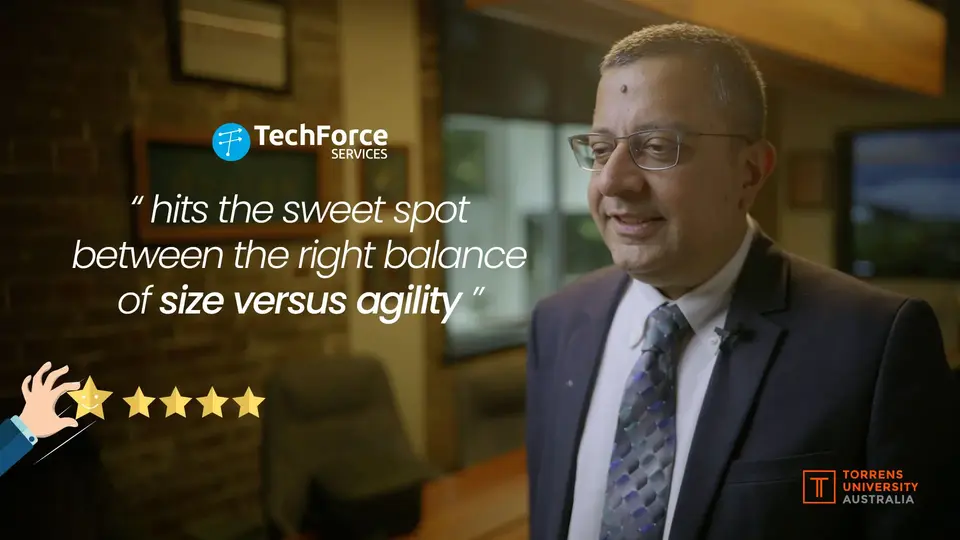
Chief Information Officer (CIO), Torrens University Australia
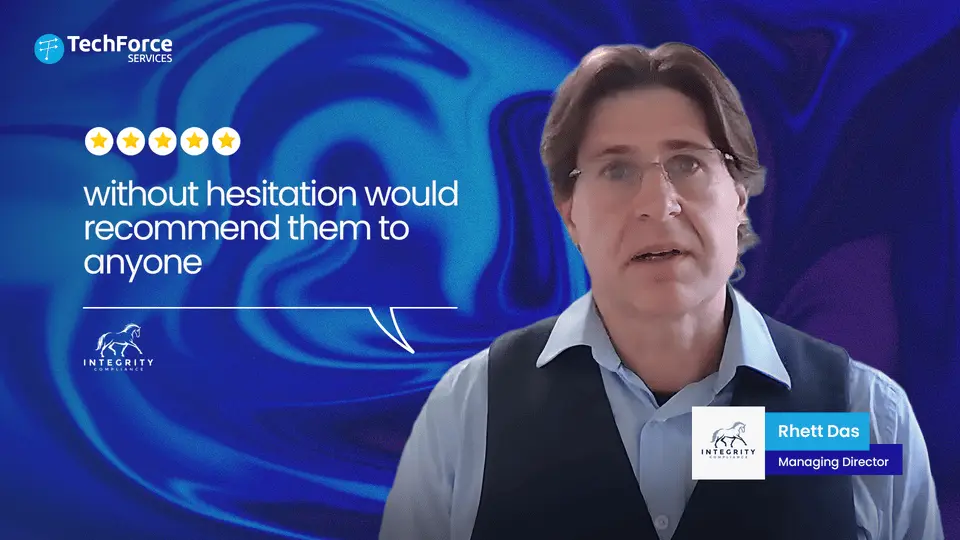
Managing Director, iCompliance
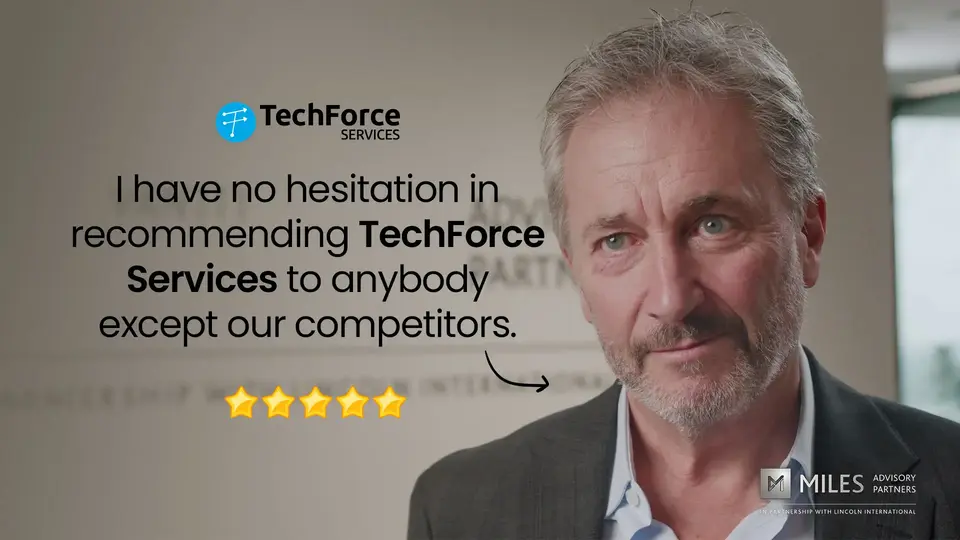
Managing Director, Miles Advisory Partners

Director, Campus Plus
CIO, College of Law
National Sales Manager, Modern Star
Implementation programmes across higher education, digital infrastructure, legal education and finance.

Read the story →
FAQs
Scope, cost, timelines and what changes once the platform is live.
These engagements cover configuring the CRM to specific goals, migrating data, integrating connected systems, testing, training, and post-launch support. Scattered spreadsheets give way to one hub for sales, service, and marketing — a genuine 360-degree view of every customer — matched to how teams actually work.
Compare certified talent, a verifiable track record, and delivery coverage in the regions that matter to your customers, including Salesforce implementation services in the USA, the UK, and Singapore. Transparent communication and post-go-live support weigh as heavily as technical skill.
This role owns the technical build end to end, process design, configuration, data migration, integration, and enablement, so internal teams keep their focus on customers and operations rather than platform mechanics.
Cost tracks with project size, the number of integrations, and customization depth. A professional Salesforce implementation partner protects your budget by producing a high-ROI blueprint up front, avoiding rework, and bringing platform value forward. Most mid-size rollouts are phased so spend aligns with delivered outcomes.
A focused single-cloud rollout often runs six to twelve weeks. Multi-cloud or multi-region programs run longer and are delivered in phases, with discovery setting a realistic timeline before the build starts.
An external team brings senior expertise without the cost of permanent hires and delivers faster because the delivery patterns are already proven. Internal staff stay on core work while the heavy lifting like security, custom code, and data migration is handled.
A do-it-yourself setup can work for very basic needs but is usually slow and complex. Expert delivery produces a more reliable result because the difficult parts such as layered customization, integration, and data cleansing are handled by people who do them daily.
Most failures trace back to unclear scope, poor data quality, weak adoption planning, or skipped testing. A structured process with a defined sign-off at each stage, a data plan from day one, and role-based enablement removes those risks.
A short conversation with a Salesforce implementation consultant maps the scope, the sequence and a realistic timeline before any build begins.